
Industrial Lighting Selection Tips for Safe and Efficient Workspaces

When it comes to creating a workspace that’s both safe and efficient, lighting plays a starring role. You might not think about it every day, but the right lighting can transform a dull, hazardous environment into a productive, welcoming space. Whether you’re managing a warehouse, factory floor, or large commercial facility, choosing the right industrial lighting is crucial. Let’s dive into how you can make smart choices that brighten your workspace and boost safety and efficiency.
Why Industrial Lighting Matters More Than You Think
Lighting isn’t just about visibility. It’s about creating an environment where people can work comfortably and safely. Poor lighting can lead to accidents, errors, and even lower morale. On the flip side, well-designed lighting can reduce eye strain, improve focus, and help workers spot potential hazards before they become problems.
Think about a warehouse with dim corners or a factory floor with flickering lights. Not only does that slow down work, but it also increases the risk of injuries. Good lighting helps everyone see clearly, navigate safely, and perform tasks with confidence. Plus, it can even save money by reducing energy consumption and maintenance costs.
Industrial Lighting Selection Tips: What You Need to Know
Choosing the right lighting for your industrial space isn’t a one-size-fits-all deal. Here are some key tips to guide your selection process:
1. Understand Your Space and Tasks
Start by assessing the size, layout, and specific activities in your workspace. Different areas might need different lighting levels. For example:
Assembly lines require bright, focused lighting to ensure precision.
Storage areas might need broader, softer lighting for easy navigation.
Outdoor loading docks need weather-resistant fixtures with high brightness.
Knowing the tasks helps you pick the right type and intensity of light.
2. Prioritize Energy Efficiency
Energy costs can add up quickly in large facilities. Opt for LED lighting whenever possible. LEDs use less power, last longer, and produce less heat compared to traditional bulbs. This means lower electricity bills and less frequent replacements.
3. Consider Color Temperature and CRI
Color temperature affects how colors appear under the light. For industrial settings, a cooler white light (around 4000K to 5000K) is often best because it mimics daylight and helps workers stay alert. The Color Rendering Index (CRI) measures how accurately colors appear. A CRI of 80 or above is ideal for most industrial tasks.
4. Think About Durability and Maintenance
Industrial environments can be tough on lighting fixtures. Dust, moisture, vibrations, and temperature fluctuations are common. Choose fixtures rated for these conditions, such as those with IP65 or higher for dust and water resistance. Also, consider how easy it is to maintain or replace bulbs.
5. Use Controls and Sensors
Smart lighting controls like motion sensors, dimmers, and timers can save energy and extend fixture life. For example, lights that turn off automatically in unoccupied areas reduce waste and costs.

How to Enhance Safety with Lighting
Safety is non-negotiable in any industrial setting. Proper lighting can prevent accidents and improve emergency response. Here’s how to make your workspace safer with lighting:
Eliminate shadows and glare: Shadows can hide hazards, and glare can cause discomfort or temporary blindness. Use diffusers or indirect lighting to reduce these issues.
Mark hazards clearly: Use colored lighting or illuminated signs to highlight dangerous areas like staircases, machinery, or chemical storage.
Emergency lighting: Ensure backup lighting is in place for power outages. Emergency lights should be bright enough to guide workers safely out of the building.
Regular inspections: Check lighting regularly to replace burnt-out bulbs and fix flickering fixtures promptly.
Boosting Efficiency with the Right Lighting Setup
Efficient lighting doesn’t just save energy; it also helps workers perform better. Here’s how to optimize your lighting for productivity:
Task lighting: Provide additional lighting for detailed workstations. Adjustable fixtures let workers focus light exactly where they need it.
Zoning: Divide your space into zones with separate lighting controls. This way, you only light areas in use.
Daylight integration: Use skylights or windows to bring in natural light. Combine this with sensors that adjust artificial lighting based on daylight levels.
Uniform lighting: Avoid uneven lighting that can cause eye strain and fatigue. Aim for consistent brightness across the workspace.
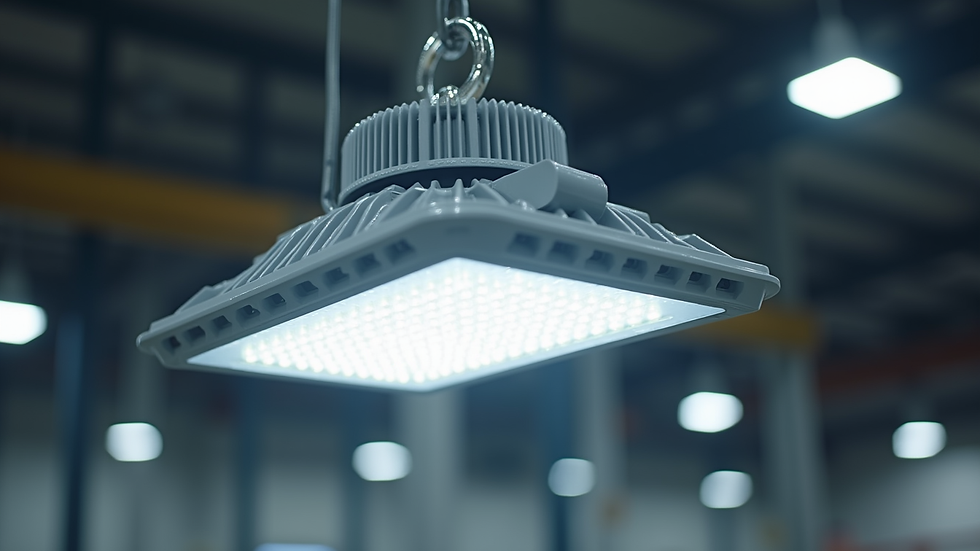
Making the Most of Industrial Lighting Solutions
If you’re ready to upgrade or install new lighting, consider exploring industrial lighting solutions that fit your specific needs. These solutions are designed to meet the demands of tough environments while offering energy efficiency and long-term savings.
Remember, investing in quality lighting is investing in your workforce’s safety and productivity. It’s not just about illumination; it’s about creating a workspace where everyone can thrive.
Bright Ideas for Your Next Lighting Project
Before you wrap up your lighting plan, here are some final tips to keep in mind:
Consult experts: Don’t hesitate to get advice from lighting professionals who understand industrial needs.
Plan for the future: Choose scalable lighting systems that can adapt as your workspace changes.
Budget wisely: Balance upfront costs with long-term savings on energy and maintenance.
Test before full installation: Try out lighting in a small area to see how it performs in real conditions.
Lighting is a powerful tool. When you get it right, it transforms your workspace into a safer, more efficient place where work gets done smoothly and confidently. So, why wait? Brighten up your industrial space today!


Comments